







How AINA Is Transforming Healthcare Call Center Services
Healthcare organizations today face increasing pressure to deliver faster, more accurate, and more compassionate support to patients. From appointment scheduling to insurance queries and post-treatment follow-ups, call centers play a vital role in the overall patient experience. However, rising call volumes, staffing challenges, and strict compliance requirements make traditional support models difficult to sustain.
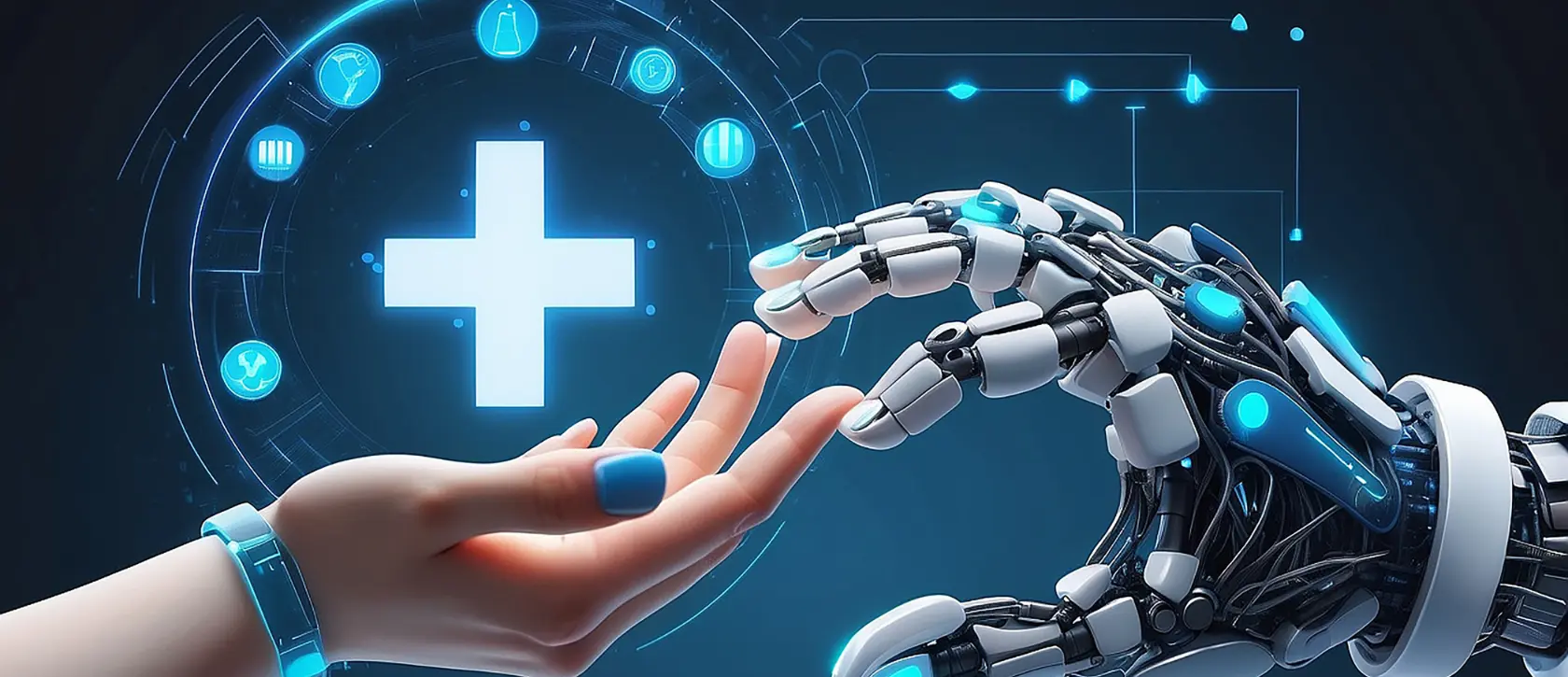
This is where AINA steps in. By combining intelligent automation with human expertise, AINA is helping healthcare BPO services operate more efficiently while maintaining empathy and accuracy. It enables providers to handle patient interactions at scale without compromising service quality or regulatory standards.
The Growing Need for AI-Powered Healthcare Call Center Services
Healthcare communication is complex and sensitive. Patients often call with urgent concerns, billing questions, appointment changes, or insurance-related issues. Long wait times or inconsistent information can negatively impact both patient trust and health outcomes.
At the same time, healthcare providers must comply with strict privacy and data protection regulations while managing large volumes of administrative tasks. AI healthcare call center services address these challenges by automating repetitive processes, improving response times, and supporting agents with real-time insights.
With patient expectations rising and digital health adoption accelerating, AI healthcare call centers like AINA are becoming essential to modern healthcare operations.
How AINA Enhances Healthcare Customer Support with Intelligent Automation
1. AI-Based Appointment Scheduling & Reminders
Appointment scheduling is one of the most frequent reasons patients contact healthcare providers. AINA automates the booking process by integrating directly with hospital and clinic management systems. Patients can schedule, reschedule, or cancel appointments quickly through voice or chat interfaces.
In addition, automated reminders reduce no-show rates by sending timely notifications via SMS, email, or automated calls. This improves operational efficiency and ensures better utilization of medical resources.
2. Sensitive Case Escalation
Healthcare conversations often involve emotionally sensitive topics. AINA uses sentiment analysis to detect distress, urgency, or dissatisfaction during patient interactions. When needed, it immediately escalates the case to a trained human agent or medical professional.
This ensures that critical cases are handled with empathy and urgency, maintaining both patient safety and service quality.
3. Insurance & Billing Assistance
Insurance and billing queries can be confusing and stressful for patients. AINA simplifies these interactions by providing clear explanations of coverage, claim status, co-pay details, and payment options.
By accessing relevant policy data instantly, AINA reduces handling time and improves accuracy. Patients receive quicker responses, while healthcare organizations benefit from fewer billing-related disputes and follow-ups.
4. Multilingual Patient Support
Healthcare providers serve diverse communities. Language barriers can create misunderstandings and delay treatment decisions. AINA enables multilingual support by understanding and responding to patients in their preferred language.
This improves accessibility, strengthens trust, and ensures that critical information is communicated clearly across different demographic groups.
5. 24/7 AI-Powered Patient Assistance
Healthcare needs do not follow business hours. AINA provides round-the-clock assistance for routine inquiries, including such as appointment confirmations, lab result updates, medication information, and general FAQs.
This 24/7 availability reduces pressure on live agents and ensures patients receive timely information whenever they need it.
6. Intelligent Call Routing & Queue Optimization
Not all calls require the same level of attention. AINA analyzes the caller’s intent and urgency before routing the interaction to the appropriate department or specialist.
By optimizing queues and prioritizing critical cases, it reduces wait times and ensures efficient resource allocation within the call center.
7. Real-Time Performance Monitoring & Quality Assurance
AINA continuously monitors interactions to ensure compliance, consistency, and service quality. It analyzes conversations for accuracy, tone, and adherence to healthcare regulations.
Supervisors gain access to actionable insights through performance dashboards, enabling faster coaching and process improvements. This enhances accountability and ensures high standards across every patient interaction.
Healthcare call centers are no longer just administrative support units, they are central to the patient experience. As expectations grow and operational complexities increase, intelligent automation with AI-powered healthcare customer support is becoming essential. AINA transforms healthcare call center services by combining speed, accuracy, and empathy. From appointment scheduling and billing assistance to sensitive case escalation and multilingual support, it strengthens patient engagement while improving operational efficiency. By integrating AI-powered solutions like AINA, healthcare organizations can deliver more responsive, accessible, and patient-centered support, building trust while preparing for the future of digital healthcare.